

From The Outside, Life Looks Fine. Inside, Something Feels Different.
Individual counselling for people across Melbourne who are functioning well but feel tired, reactive, disconnected or stuck in patterns they don’t fully understand.

You’re managing work.
Keeping up with responsibilities.
Showing up for the people who depend on you.
Most people would probably say you’re coping.
But inside, something feels different.
You’re tired. Reactive. Disconnected.
Or quietly carrying the feeling that life has become harder than it should be.
You Don’t Need To Wait Until Everything Falls Apart

Many people assume counselling is something you do when life reaches crisis point.
But you can be functioning well and still know something isn’t right.
You might notice:
the same relationship difficulties appearing again
stress that never really switches off
feeling disconnected from yourself
difficulty making decisions
frustration that keeps building
a sense that you’ve lost direction
There may not be one problem to solve.
There may simply be something that needs your attention.
Online Couples Counselling Across Melbourne
12+ Years Experience
·
PACFA Registered
·
50+ Intensive Programs
·
12+ Years Experience · PACFA Registered · 50+ Intensive Programs ·
Why Insight Isn’t Always Enough

You may already understand a lot about yourself.
You know where some of your reactions come from. You may have read the books, reflected on your experiences or spent time working on yourself.
The difficult part can be recognising what is happening in the moment.
That is where counselling can help: noticing the familiar response before it takes over and creating more choice in how you respond.
What We Can Work On
-

Anxiety And Overwhelm
-

Emotional Reactivity
-

Relationship Difficulties
-

Self-Doubt And Low Self-Worth
-

Life Transitions
-
Recurring Patterns
-

Feeling Stuck Or Disconnected
-

Trauma-Related Responses
Words from Our Clients


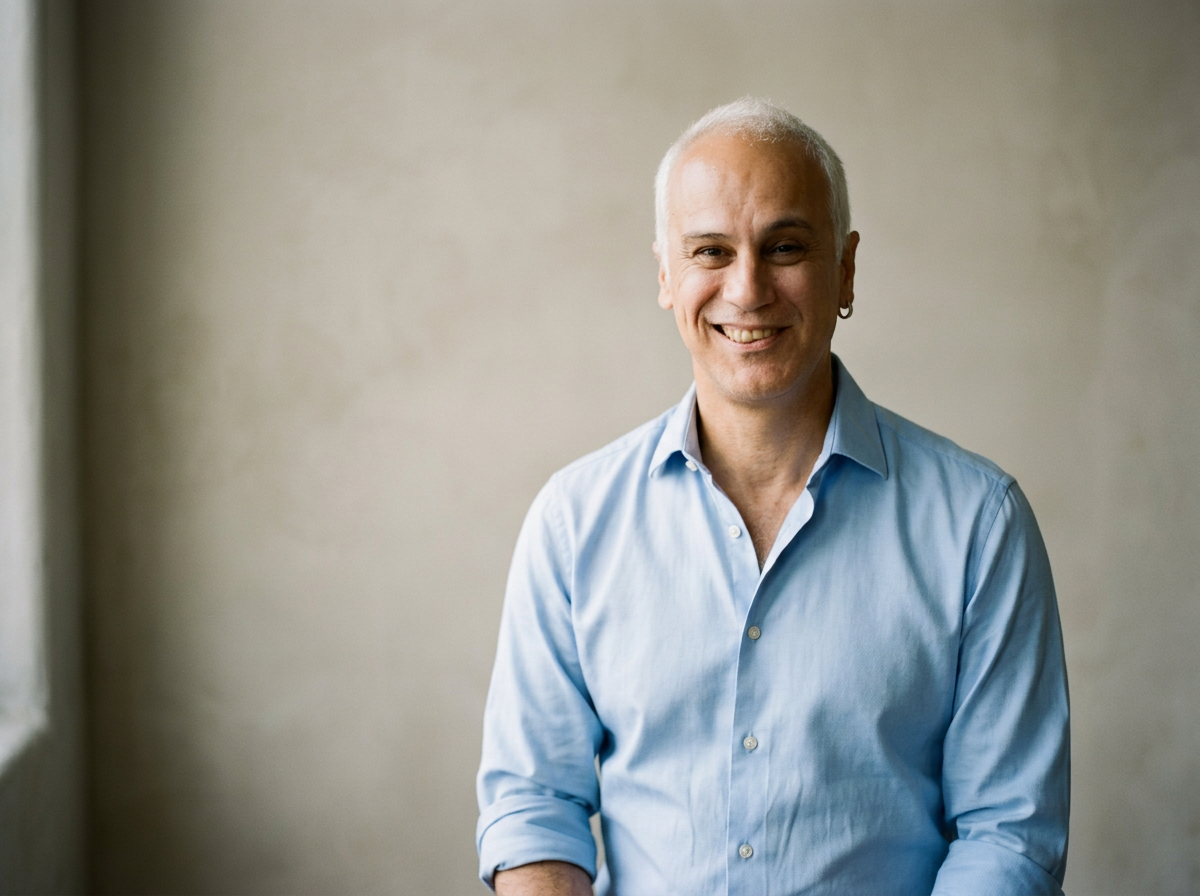
Meet Your Counsellor, Uri
PACFA Registered Clinical Counsellor | Trauma-Informed Psychotherapy
Uri Bookman brings more than 12 years of experience working across counselling, psychotherapy, relationships and personal development.
His professional development includes couples and relationship therapy, attachment, trauma, IFS, EFT and NVC. He has also co-led more than 50 intensive men's programs and trained more than 120 therapeutic coaches.
His approach is grounded, direct and relational, creating enough safety for difficult conversations while keeping the work focused on meaningful change.
THE PROCESS
A Clear Process for Understanding and Creating Lasting Change





FREQUENTLY ASKED QUESTIONS
Individual Counselling, with a Clear Place to Begin.
-
Previous therapy or personal development can give you valuable insight. This work places particular attention on what happens in real time, so understanding can become a different response rather than remaining something you know intellectually.
-
That's okay. You don't need to arrive with a diagnosis or a perfectly articulated problem. The Clarity Call is a chance to talk through what has been happening and determine whether counselling could be useful.
-
There is no predetermined number of sessions that applies to everyone. The appropriate length of counselling depends on what you are working through, your circumstances and what you want to achieve.
The work is intended to be purposeful rather than therapy for therapy's sake.
-
Yes. Individual counselling focuses on your own experience, patterns, reactions and relationships. You do not need your partner to participate in order to explore your own side of a relationship dynamic.
-
Yes. Individual counselling is available online across Australia. In-person sessions are also available in the Northern Rivers / Byron Bay region.
-
The best place to start is a complimentary 15-minute Clarity Call. It gives you an opportunity to explain what is happening, ask questions and get a sense of whether Uri's approach and experience are suited to what you are looking for.
-
Yes. Uri works with people across different sexual orientations and gender identities. Your identity and lived experience are respected as part of the context you bring to counselling, without making assumptions about what your experience should look like.
If your needs fall outside the scope of the practice, the aim is to help you identify a more suitable form of support.